

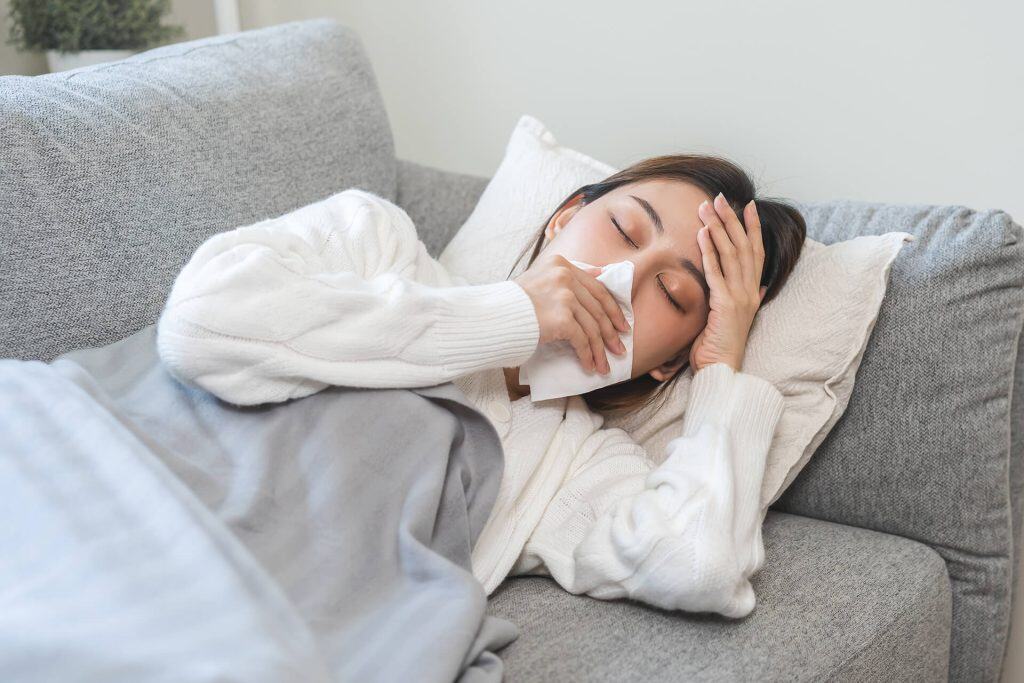
What is a cold?
Catching ‘the common cold’ is medically referred to as an acute upper respiratory tract infection (URTI). It is a common infectious illness that affects the respiratory system.1
What are the symptoms of a cold?
The common symptoms of a cold include:1-3
- Cough.
- Headache.
- Blocked or congested nose.
- Runny nose.
- Sore or scratchy throat.
- Fever (more commonly seen in children compared to adults).
- General tiredness or fatigue.
- Body aches.
What causes a cold?
Contrary to what many believe, the common cold is not caused by one specific virus. Instead, it can be caused by numerous different types of viruses.1 Rhinoviruses are known to be the most common cause in children and adults, particularly in adults where they account for more than 50% of cases.1 Other viruses known to cause the common cold include respiratory syncytial virus (RSV), parainfluenza viruses, adenoviruses, and many more.1
These viruses mainly spread through direct person-to-person contact, entering our bodies via the mouth, eyes, or nose. This typically occurs through various means such as:3
- Direct contact with respiratory droplets (e.g. from coughs, sneezes, or talking) from an infected individual.
- Touching your face after encountering the virus on contaminated objects (e.g. toys, mobile phones, and shared utensils) or following handshakes with an infected person.
How are colds treated?
In most cases, symptoms of the common cold will subside on their own without the need for treatment and can last for up to 10 days.2 Therefore, treatments mainly focus on reducing the duration and severity of symptoms and can include:
- Natural remedies – Traditional natural active ingredients like Hedera helix (ivy leaf) or Sambucus nigra (black Elderberry fruit) extracts may help alleviate respiratory symptoms.4,5
- Pain-relievers – Over-the-counter medications that can help reduce headaches and fevers (e.g. ibuprofen and acetaminophen).2
- Decongestants – To relieve nasal congestion.2
- Antihistamines – To reduce sneezing and runny nose.6
- Cough suppressants – To reduce coughing.6
- Expectorants – To thin out or loosen mucus.6
It is important to note that as the common cold is primarily caused by viruses, antibiotics (which are used to treat bacterial infections) are not considered an effective treatment method.2 In fact, antibiotics are unable to reduce the severity or duration of the common cold.2
How are colds prevented?
The prevention of colds primarily involves taking physical measures to prevent the entry of viruses into the body and their spread to others.1 Prevent colds by:
- Regularly washing your hands with soap or using an alcohol-based sanitiser, especially after using the bathroom or close contact with a sick individual.3,6,7
- Not touching your face with unwashed hands.6
- Practising good respiratory etiquette by covering your coughs or sneezes with a tissue, or by regularly wearing a face mask.3
- Avoiding prolonged close contact or sharing items (e.g. cutlery and drinking glasses) with individuals who are sick.3
When to see a doctor for a cold?
Generally, the common cold does not require significant medical attention and will go away on its own. However, if you have a fever that lasts longer than three days, or if you develop any severe symptoms (e.g. respiratory symptoms like difficulty breathing, chest pains, or wheezing), visit your doctor.3
If you have caught the cold, take Hedervy to assist in relieving respiratory symptoms and the discomforts that come with it. This is due to the formulation containing extracts from Hedera helix (ivy leaf) and Sambucus nigra (black Elderberry fruit), which can help relieve a runny nose, nasal congestion, cough, reduce phlegm, and soothe a sore throat.
The content here is for information purposes only and does not constitute mediacal advice. Consult a healthcare professional if symptoms persist or worsen.
- Pappas DE, et al. Principles and practice of pediatric infectious diseases. 5th Philadelphia, PA: Elsevier; 2018. p. 199-202.
- De George KC, et al.Am Fam Physician. 2019;100(5):281-289
- Mayo Clinic. https://www.mayoclinic.org/diseases-conditions/common-cold/symptoms-causes/syc-20351605. 8 May 2024.
- Sierocinski E, et al. Eur J Clin Pharmacol. 2021;77(8):1113–22.
- Mahboubi M. Advances in Traditional Medicine. 2021;21(3):405–14.
- Cleveland Clinic. https://my.clevelandclinic.org/health/diseases/12342-common-cold. 8 May 2024.
- Allan GM, et al.CMAJ. 2014;186(3):190-199